

Forex Trading Course for Beginners: Your Ultimate Guide to Success
Welcome to our comprehensive Forex trading course for beginners! If you’re looking to embark on your trading journey in the foreign exchange market, you’ve come to the right place. In this article, we will cover the essential aspects of Forex trading, including basics, strategies, risk management, and more. Additionally, we will explore various forex trading course for beginners Cameroonian Trading Platforms where you can start your trading adventure.
What is Forex Trading?
Forex trading, also known as foreign exchange trading, involves buying and selling currencies in the global marketplace. Unlike stock trading, which takes place on exchanges, Forex trading is conducted over-the-counter (OTC), meaning transactions occur directly between parties. The Forex market is one of the largest and most liquid financial markets in the world, with an average daily trading volume exceeding $6 trillion.
Why Trade Forex?
Forex trading offers numerous advantages for beginners:
- Accessibility: The Forex market is open 24 hours a day, five days a week, allowing traders to capitalize on price movements at any time.
- Leverage: Forex brokers often provide leverage, enabling traders to control larger positions with a smaller amount of capital.
- Variety of Trading Options: Traders can choose from various currency pairs and trading strategies, catering to different levels of risk tolerance and experience.
- Low Transaction Costs: Many brokers offer tight spreads, making Forex trading cost-effective.
Getting Started with Forex Trading
To begin your journey as a Forex trader, follow these steps:
Step 1: Education
Understanding the basics of Forex trading is crucial. Familiarize yourself with key concepts such as currency pairs, pips, and spreads. There are many resources available online, including articles, webinars, and videos.
Step 2: Choosing a Broker
Selecting a reputable Forex broker is essential for your trading success. Look for brokers that are regulated and have a solid reputation. Check for user reviews and ensure they offer the trading platforms and tools you need.

Step 3: Setting Up a Trading Account
Once you have selected a broker, you will need to open a trading account. Most brokers offer various account types, including demo accounts for practice and live accounts for actual trading. A demo account allows you to familiarize yourself with the trading platform without risking real money.
Step 4: Develop a Trading Plan
A trading plan outlines your goals, strategies, and risk management rules. It serves as a blueprint for your trading activities. Your plan should include your preferred currency pairs, time frames for trading, and your desired risk-reward ratio.
Understanding Currency Pairs
In Forex trading, currencies are quoted in pairs. The first currency in the pair is known as the base currency, while the second is the quote currency. For example, in the EUR/USD pair, EUR is the base currency, and USD is the quote currency. The exchange rate indicates how much of the quote currency is needed to purchase one unit of the base currency.
Analyzing the Forex Market
Successful Forex trading relies heavily on market analysis. There are two main types of analysis:
1. Fundamental Analysis
This approach involves analyzing economic indicators, news releases, and geopolitical events that can impact currency prices. Traders pay attention to interest rates, inflation data, employment figures, and other economic reports to predict currency movements.
2. Technical Analysis
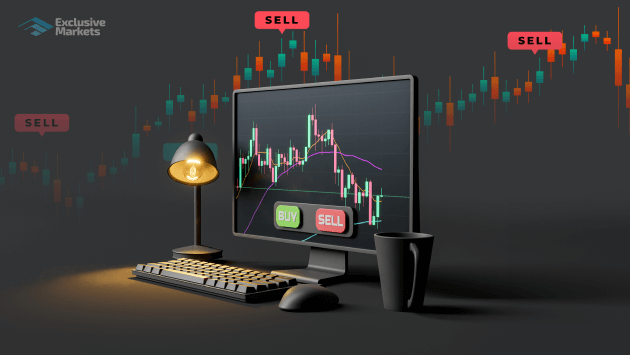
Technical analysis focuses on historical price data and charts to identify trends and patterns. Traders use various technical indicators, such as moving averages and Relative Strength Index (RSI), to forecast future price movements.
Risk Management in Forex Trading
Risk management is a crucial aspect of Forex trading. As a beginner, it’s essential to protect your capital and avoid significant losses. Here are some key risk management strategies:
- Use Stop-Loss Orders: A stop-loss order automatically closes your position when a trade reaches a predetermined level of loss, helping you limit potential losses.
- Risk Only a Small Percentage: Only risk a small percentage of your trading capital on any single trade to prevent significant losses.
- Diversify Your Portfolio: Spread your investments across different currency pairs or trading strategies to reduce overall risk.
Choosing a Trading Strategy
There are several trading strategies that beginners can use, including:
1. Scalping
Scalping involves making quick trades to capture small price movements. Scalpers typically hold positions for a very short time, often just a few seconds or minutes.
2. Day Trading
Day traders open and close positions within the same trading day. This strategy aims to profit from short-term price fluctuations.
3. Swing Trading
Swing trading involves holding positions for several days or weeks to capitalize on longer-term market movements. This strategy requires more patience and analysis than day trading.
Conclusion
Forex trading can be an exciting and potentially profitable venture for beginners. By educating yourself about the market, choosing a reliable broker, and developing a solid trading plan, you can increase your chances of success. Remember, trading involves risk, and continuous learning and practice are vital to becoming a successful Forex trader. As you embark on your Forex trading journey, explore various Cameroonian Trading Platforms to find the right fit for your trading needs. Start small, manage your risks carefully, and enjoy the process of learning and growing as a trader!
No comment