
The Ultimate Beginner’s Guide to Forex Trading Basics
Forex trading, or foreign exchange trading, is a global decentralized market where currencies are traded. It’s one of the largest and most liquid markets in the world, and while it offers great opportunities for profit, it can also be risky for new traders. This guide will cover the basics of forex trading, providing beginners with the foundational knowledge they need to enter this exciting field. For more information, you can check out the forex trading basics beginners guide Forex Brokers in Jordan to find suitable trading options.
Understanding the Forex Market
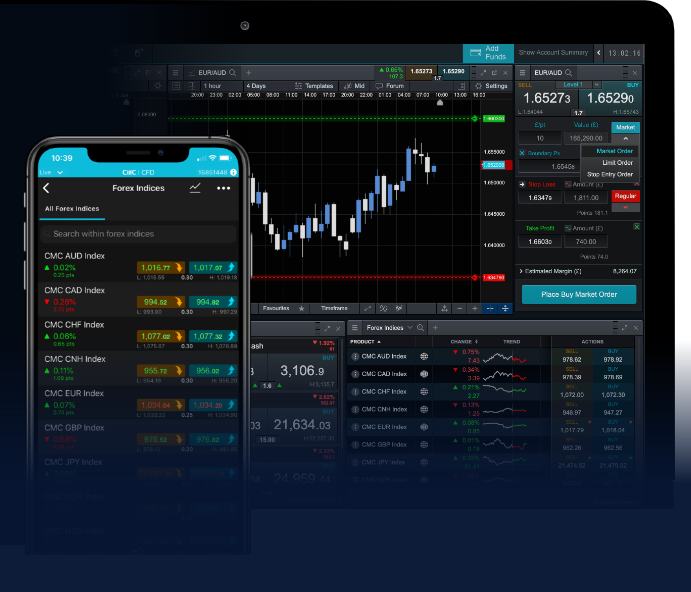
The forex market operates 24 hours a day, five days a week, and encompasses a variety of participants, including banks, financial institutions, corporations, and individual traders. The market is accessed through trading platforms where traders can buy or sell currency pairs like EUR/USD, GBP/JPY, and USD/CHF.
Key Terminology in Forex Trading
Before diving into trading, it’s important to understand some key terms:
- Currency Pair: The quotation of two different currencies, where one currency is quoted against the other. For example, in the EUR/USD pair, the Euro is the base currency and the US dollar is the quote currency.
- Pips: The smallest price movement that a currency pair can make, usually understood as the fourth decimal place.
- Leverage: This allows traders to control larger positions with a smaller amount of capital, which can amplify both potential gains and losses.
- Spread: The difference between the buying price (ask) and the selling price (bid) of a currency pair. It’s effectively the cost of trading.
How to Choose a Forex Broker
Selecting the right forex broker is crucial for success. Here are some factors to consider:
- Regulation: Ensure the broker is regulated by a reputable authority such as the FCA (UK), ASIC (Australia), or NFA (US).
- Trading Platform: Assess the trading platform offered by the broker. It should be user-friendly and equipped with the necessary tools for analysis.
- Fees and Spreads: Compare brokers based on their fees, spreads, and commission structures to find the most economical option.
- Customer Support: A broker with reliable customer support can assist you during trading hours and help resolve any issues that arise.
Developing Your First Trading Strategy
A sound trading strategy is essential for success in forex trading. Here are some steps to develop your initial strategy:
- Define Your Trading Goals: Decide whether your aim is short-term profits or long-term growth, as this will influence your trading style.
- Select Your Trading Style: Options include day trading, swing trading, or scalping. Each has its time commitment and risk factors.
- Backtest Your Strategy: Use historical data to simulate how your strategy would have performed in the past, helping to identify weaknesses.
- Start with a Demo Account: Before committing real money, practice on a demo trading account to familiarize yourself with the platform and hone your strategy.
Fundamental Vs. Technical Analysis
When trading forex, one can rely on two main types of analysis:
Fundamental Analysis
This involves evaluating economic indicators, news, and geopolitical events that can affect currency values. Key indicators include:
- Interest rates
- GDP growth
- Employment rates
- Inflation reports
Technical Analysis
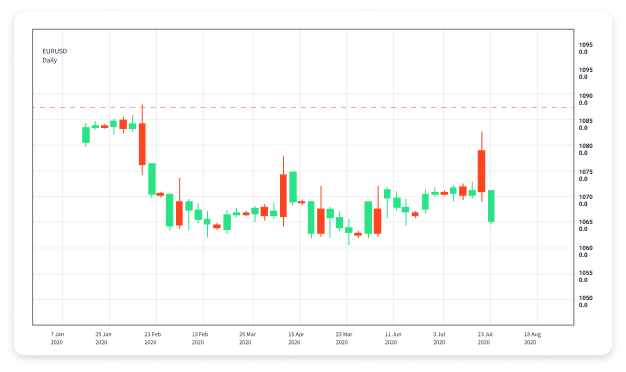
Technical analysis focuses on statistical trends from trading activities, utilizing charts and indicators. Commonly used tools include:
- Moving Averages
- Relative Strength Index (RSI)
- Bollinger Bands
- Support and Resistance Levels
Risk Management Techniques
Effective risk management is what separates successful traders from those who incur losses. Here are some strategies to consider:
- Set Stop-Loss Orders: Protect your investment by setting automatic orders to exit a losing trade at a predetermined level.
- Proper Position Sizing: Never risk more than 1-2% of your trading capital on a single trade to minimize potential losses.
- Diversification: Avoid putting all your capital into one trade or currency pair. Diversifying your trades can help spread risk.
Conclusion
Forex trading can be rewarding, but it requires a solid understanding of the market, strategies, and risk management. By familiarizing yourself with the basics outlined in this guide, beginners can take their first steps towards becoming knowledgeable traders. Always remember to continue learning and adapt your strategies as you gain more experience in this dynamic market.
No comment